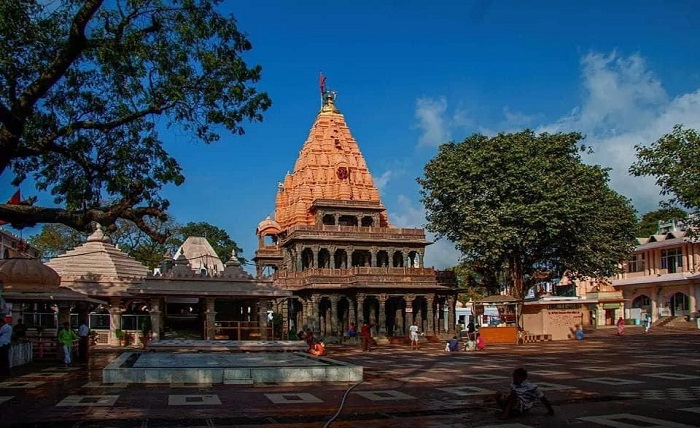
Har Har Mahadev. You hear it before you see the temple. Somewhere past the barricades, past the police whistles, a wave of it rolls down the queue like it’s got its own weather system.
This Sawan, that wave has been bigger than anyone on the ground expected. Ujjain logged 29.28 lakh devotees across eight days at the Mahakal Temple, according to local crowd figures reported by Amar Ujala. Not a festival weekend. Eight days. The administration has stretched barricading almost to Mahakal Lok’s outer gate just to hold the line.
Which means one thing if you’ve actually stood in that queue: hours. Real hours, not the fifteen-minute kind. And somewhere around hour two, after the chanting dies down and the family ahead of you has run out of things to say, the phones come out.
That’s not a criticism. It’s just what queues do to people now. A Washington State University study on wait-time psychology found that smartphones fundamentally change how people value the minutes they’re standing still, and Mahakal’s queue is basically a live demonstration of that finding. Devotion doesn’t switch off. But attention splits. For a lot of the pilgrims killing time between the outer cordon and the sanctum, the apps that actually hold up on patchy 4G near the temple grounds are the ones travel forums keep circling back to, and the best mobile casino apps show up in that conversation more often than you’d think.
I’ll be honest about why that surprised me the first time I noticed it. Ujjain in Sawan is not exactly Vegas energy. But it makes sense once you sit with it. People aren’t looking for excitement in that queue. They’re looking for something that loads fast, doesn’t eat their last 12% of battery, and doesn’t need a strong signal to feel worth doing.
The Queue Nobody Warns You About
Mahakal Lok opened in 2022 and changed the geometry of the whole complex. Corridors got wider, the crowd management got more serious, but the actual wait time for Bhasma Aarti and general darshan during Sawan has, if anything, gotten longer because more people now know they can come.
A family from Indore I spoke to near the Nayi Sadak barricade had been in line since 4am for a 9am aarti slot. Five hours. Two of those hours were spent sitting on the ground because the queue simply wasn’t moving.
That’s the reality underneath every devotional headline. The Tribune’s coverage of VIP entries bypassing the general queue sparked real anger this year precisely because ordinary devotees know exactly how long five hours feels when you’re standing in it. Nobody’s pretending the wait is spiritual theatre. It’s just long.
What Actually Happens on the Phone
Here’s what I noticed, unscientifically, over three visits this Sawan season.
Most people aren’t scrolling Instagram. Signal near the temple core is unreliable enough that heavy apps stutter and die. What survives are lightweight, low-bandwidth things: WhatsApp voice notes to relatives back home, quick photos of the crowd sent to a family group, and yes, casual mobile games that don’t need a constant connection to stay playable.
India’s mobile entertainment numbers back up what’s happening on the ground. Sensor Tower’s most recent market read shows mobile game revenue in India up sharply year over year even as downloads plateau, meaning existing users are spending more time and money inside the apps they already trust. Sensor Tower’s India gaming insights point to exactly the kind of habitual, short-session use that fits a five-hour temple queue better than a two-hour movie would.
And the payment layer underneath all of it has changed too. UPI is so embedded in daily life now that even small in-app transactions barely register as a decision. TechCrunch’s reporting on India’s digital payments trajectory makes the point that mobile-first payment rails have become the default, not the exception, for exactly this kind of casual, in-the-moment spend.
Why This Isn’t a Contradiction
Someone’s going to read this and think it’s disrespectful to put Mahadev’s Sawari in the same paragraph as a mobile game. I don’t think it is.
Devotion and downtime aren’t the same hours. The aarti moment, the darshan itself, the actual few seconds in front of the jyotirlinga, that’s untouched. Nobody’s got their phone out for that. It’s the two hours before it, standing behind a rope barrier in 34 degree heat, where people are just human beings managing boredom the way humans always have.
My own queue experience wasn’t glamorous. I got stuck for forty minutes near gate 4 with a phone at 9% battery and no power bank, which meant I spent most of that stretch just talking to strangers instead. Worked out fine. But the next person in line had their screen brightness cranked all the way up and didn’t look up once until the crowd started moving again.
What This Says About the Season Overall
The scale this year matters. 29.28 lakh in eight days isn’t a rounding error, it’s a genuine strain-test on infrastructure, on crowd patience, and on how people fill dead time at scale. Ujjain’s administration has responded with wider corridors and more staggered entry slots, but queues this size don’t disappear. They just get managed slightly better.
For devotees making the trip this Sawan, or planning for the next Sawari date, the honest advice is simple: charge your phone before you leave the hotel, carry a power bank if you can, and accept that the wait is part of the pilgrimage now, whether you spend it in silent prayer, in conversation with strangers, or with your thumb on a screen.
Frequently Asked Questions
How long is the wait at Mahakal Temple during Sawan 2026? Wait times have run anywhere from two to six hours depending on the day and aarti slot, with early morning Bhasma Aarti queues typically the longest. Weekends and Mondays see the heaviest crowds.
Why did Ujjain see record crowds this Sawan? Growing awareness of Mahakal Lok’s expanded infrastructure, improved rail and road connectivity to Ujjain, and rising devotional tourism nationally all contributed to the 29.28 lakh figure recorded across eight days.
Is mobile signal reliable near the Mahakal Temple complex? Not consistently. Dense crowds strain local towers, so heavier apps and video content often lag or fail to load, while lightweight apps and messaging tend to function more reliably.
What should first-time visitors bring for a long darshan queue? Water, a power bank, comfortable footwear, and patience. Authorities recommend arriving well before your aarti slot given queue lengths during Sawan.
Does using a phone in the queue take away from the devotional experience? Most devotees separate the two entirely. The wait is treated as practical downtime, while the actual darshan and aarti moments remain the focus, untouched by phones.
Gambling involves risk. Please play responsibly and only wager what you can afford to lose. If you feel gambling is becoming a problem, visit BeGambleAware.org or call 1-800-GAMBLER.
The Sawari will roll again next Sawan, the queues will probably be longer, and somewhere in that line, someone’s phone will die at the worst possible moment. That part of the pilgrimage never changes.