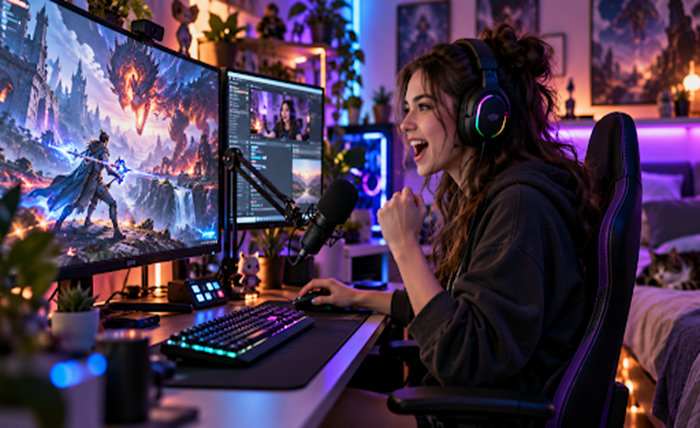
Have you ever opened an online game just to relax, only to find yourself chatting with people you have never met?
That’s one of the interesting things about digital gaming. What starts as a simple activity can turn into a shared experience, bringing people together through conversations, challenges, and common interests.
Online gaming has gradually changed how people connect in digital spaces. Players no longer need to sit in the same room to enjoy something together. Whether they are competing in multiplayer games, discussing slot themes, or exchanging gaming experiences, digital entertainment can create opportunities for social interaction.
How Online Gaming Changed Social Interaction
Gaming once depended heavily on physical proximity. Friends gathered around consoles, visited gaming cafés, or took turns playing on the same device. Today, internet-connected games allow people to interact across cities and countries.
This change has made gaming more than an individual pastime. It can become a convenient way to maintain friendships and discover communities built around shared interests.
Playing Together Without Being Together
Multiplayer games allow participants to communicate, coordinate strategies, and complete challenges together. Voice chat and messaging features can make these interactions feel more personal.
For example, friends living in different countries might schedule a weekly gaming session. Even when they cannot meet physically, playing together gives them something familiar to enjoy and discuss.
Why Shared Gaming Experiences Create Connections
People often build connections through activities they enjoy. Online gaming provides common topics, shared challenges, and opportunities to learn from others.
However, the social experience depends on the type of game. Some titles encourage direct teamwork, while others create conversations outside the actual gameplay.
Shared Interests Go Beyond Multiplayer Games
Not every gaming experience needs a multiplayer feature to become social.
Online slot games, for instance, are generally individual experiences. However, players may still discuss visual themes, bonus mechanics, or game design in online communities.
Someone exploring สล็อตเว็บตรง might encounter discussions about different slot interfaces and gameplay formats. These conversations can help beginners understand common gaming terminology, although they should independently verify any platform information they encounter.
The important distinction is that sharing gaming knowledge does not necessarily mean participating in the same game together.
How Gaming Communities Influence Player Choices
Online communities can make unfamiliar gaming experiences easier to understand. People exchange opinions, ask questions, and describe what they have personally noticed.
Still, community recommendations should be treated as starting points rather than verified facts.
Learning From Others Without Following Blindly
Imagine someone in a gaming discussion mentions SAWA888 while comparing online entertainment platforms. Other participants might share opinions or ask questions about the platform.
Before considering any unfamiliar gaming website, users should check several basic details:
- Whether the platform is legally available in their location.
- What information is required during registration.
- Whether payment and withdrawal conditions are clearly explained.
- How personal information is collected and protected.
- Whether account limits and responsible gaming controls are available.
The Role of Mobile Gaming in Digital Togetherness
Smartphones have made gaming conversations easier to fit into everyday routines. Someone can participate in a gaming community during a lunch break or exchange messages with friends while travelling.
Mobile accessibility also means that communities are no longer limited to people who own dedicated gaming equipment.
However, convenience should not replace sensible boundaries. Notifications, group discussions, and frequent gaming sessions can become distracting when they interfere with work, sleep, or personal responsibilities.
Taking regular breaks and deciding how much time to spend gaming can help maintain a healthier balance.
Keeping Online Gaming Social and Enjoyable
Digital togetherness works best when people feel comfortable participating without pressure.
Players should avoid sharing passwords, financial details, or sensitive personal information with strangers. They should also remember that online conversations do not guarantee another person’s identity or intentions.
For games involving real-money gambling, setting a spending limit before playing is particularly important. Random outcomes cannot be controlled through community tips or previous results. Gambling should remain entertainment, never a way to earn income.
Conclusion
Online gaming has introduced new ways for people to connect through shared interests, conversations, and digital experiences. From multiplayer teamwork to discussions about individual games, the social side of gaming extends beyond what happens on the screen.
The most meaningful connections come from respectful interactions, informed decisions, and balanced habits. When approached thoughtfully, online gaming can offer more than entertainment: it can provide another way for people to feel connected, even when they are miles apart.