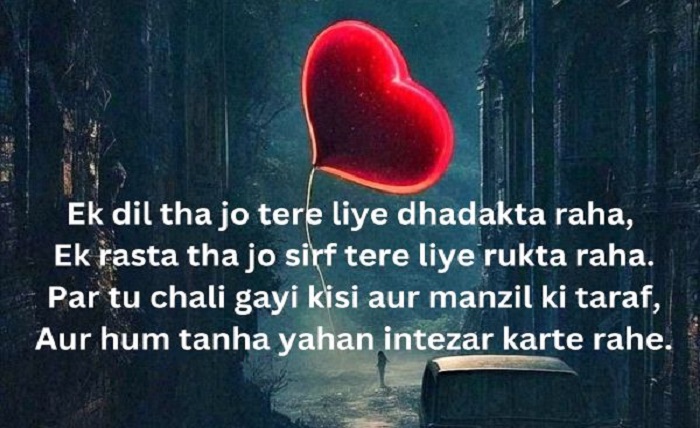
Modern Hindi shayari loves the language of games. It borrows words like daav (stake), khel (game), jeet (win), and haar (loss). These words do not appear by accident. They fit love because love also runs on risk.
When someone falls for another person, they place something on the table. Time. Trust. Pride. A future they can already picture. They cannot guarantee a return. They still commit. That is a stake.
This is why the line “Ishq ek daav hai” feels natural. It turns a messy emotion into a clear scene. You can picture the moment. You can feel the tension. You can sense the outcome even before it arrives.
In this article, we will unpack how gambling metaphors shape modern Hindi shayari. We will stay practical. We will focus on language and psychology, not moral lectures. We will show why these metaphors spread so well in status culture and short-form captions.
Why Love Feels Like A Game Of Chance
Love does not move in straight lines. It swings.
One day feels secure. The next feels uncertain. Plans form. Then doubt enters. This pattern mirrors games of chance. The rules look simple. The outcome stays unclear.
In many forms of desi sport, a match can turn in one over. Momentum shifts. A small mistake changes the result. Viewers sit on edge because the ending is not fixed. Love creates the same tension. A single word can build closeness. A single silence can create distance.
Shayari captures this swing through game language.
“Dil ko daav par laga diya, ab kismat ka faisla hai.”
I placed my heart on the stake. Now fate will decide.
The line paints a clear picture. The heart becomes currency. Fate becomes referee.
This metaphor works because it simplifies chaos. Real relationships involve layered emotions and social context. The word daav compresses all that into one bold move.
When love feels unpredictable, game imagery offers structure. It suggests that risk was chosen. It frames heartbreak as a result of play, not weakness.
Calling love a game does not reduce its depth. It highlights its uncertainty.
Daav Par Dil: The Language Of Stakes And Sacrifice
In gambling, a stake shows commitment. The higher the stake, the stronger the intention. Shayari uses the same structure.
When a poet writes, “Dil daav par laga diya,” the sentence signals total exposure. The heart is no longer protected. It is placed openly. That image feels physical. You can see the move.
Stakes imply consequence. If nothing is at risk, nothing feels dramatic. Love without risk sounds safe but dull. Love with risk sounds intense. That intensity fuels poetry.
Modern Hindi shayari often sharpens this contrast.
“Jeet bhi teri, haar bhi teri.”
Win is yours. Loss is yours.
The speaker accepts full vulnerability. That surrender creates emotional weight.
Game language helps express sacrifice without long explanation. Instead of describing months of attachment, one word—daav—does the work. It signals that something valuable was offered.
This compression makes shayari powerful on social platforms. Short lines must carry heavy meaning. Game metaphors carry that weight efficiently.
Risk and sacrifice sit at the center of romantic storytelling. Shayari borrows from gambling because the emotional logic aligns.
Jeet Aur Haar: Winning And Losing In Romantic Narrative
Every game ends with a result. Love stories in shayari follow the same arc.
Some lines celebrate victory.
“Tera saath mila, khel jeet gaye.”
With you beside me, I won the game.
Winning here means union. Stability. Mutual choice.
Other lines dwell on defeat.
“Khel khela ishq ka, haar hamari ho gayi.”
I played the game of love. The loss was mine.
Defeat becomes emotional isolation. Silence. Distance.
The words jeet and haar create clean edges. They transform complex emotional shifts into simple outcomes. That clarity makes them effective in short poetry.
Winning lines feel bold and expansive. Losing lines feel tight and reflective. Both depend on contrast. Without the possibility of loss, victory loses shine. Without the memory of hope, loss feels flat.
Game vocabulary also protects the speaker’s dignity. Instead of saying “I was rejected,” the poet says “I lost the game.” The metaphor softens vulnerability. It frames pain as participation in play.
This framing helps readers connect. Most people understand winning and losing. They may not articulate their heartbreak, but they grasp the scoreboard image.
Jeet and haar turn emotion into outcome. Outcome gives shape to memory.
Kismat As The Final Dealer
After the stake is placed and the game is played, shayari often calls one last figure into the scene: kismat.
Kismat acts like the final dealer. It distributes the result. It closes the round.
“Daav humne lagaya tha, par kismat ne palat diya.”
I placed the stake, but fate turned it around.
This move shifts responsibility without denying risk. The speaker admits participation. They also admit limits. In games of chance, effort does not control outcome. The same idea appears in love poetry.
Calling fate into the frame serves two purposes. First, it protects self-worth. If the result was written elsewhere, the loss feels less personal. Second, it restores order. Random pain becomes part of a larger script.
Modern Hindi shayari uses kismat to balance pride and humility. The lover risks boldly. The outcome rests beyond them. This structure feels fair. It mirrors lived experience.
Game metaphors reach their full effect here. Stake. Play. Result. Dealer. The sequence is clear. The emotional logic feels complete.
By borrowing from gambling language, shayari gives shape to uncertainty. It turns confusion into narrative. It transforms private risk into shared understanding.
That is why “Ishq ek daav” continues to resonate. Love feels uncertain. Shayari gives that uncertainty a stage and a script.